Crossing the English Channel is a rite of passage for British travelers heading to the Continent. Whether you are embarking on a milestone vacation, an intricate itinerary planning exercise for a European road trip, or a quick shopping dash, the ferry routes from Dover to Calais and Dunkirk remain the most popular arteries for travel. Modern standards of comfort, frequency, and efficiency have transformed these crossings into more than just a transit point; they are the start of your holiday.
Navigating the various operators, booking windows, and port logistics can be overwhelming. However, choosing the right ferry can save you significant time and money. This guide provides a deep dive into the Dover-Calais and Dover-Dunkirk routes, ensuring your journey to France is as smooth as the Mediterranean in summer.
Choosing Your Route: Calais vs. Dunkirk
When departing from Dover, travelers have two primary French destinations: Calais and Dunkirk (Dunquerke). While both serve as gateways to the rest of Europe, the choice between them often depends on your final destination and your preferred ferry operator.
Dover to Calais: The Classic Crossing
Calais is the busiest ferry port in the world for a reason. With a crossing time of just 90 minutes, it is the fastest way to reach French soil. The port is directly connected to the A16 and A26 motorways, making it the ideal choice for those heading south toward Paris, the Loire Valley, or the luxury escapes of the French Riviera.
Dover to Dunkirk: The Relaxed Alternative
Located approximately 25 miles east of Calais, Dunkirk offers a slightly longer crossing of about 2 hours. While the journey is longer, the port is often less congested than Calais. It is the superior choice for travelers heading east toward Belgium, the Netherlands, Germany, or Northern Europe.
| Feature | Dover to Calais | Dover to Dunkirk |
| Crossing Time | 90 Minutes | 120 Minutes |
| Daily Sailings | Up to 50+ | Up to 12 |
| Primary Operators | P&O, DFDS, Irish Ferries | DFDS |
| Best For | Speed, Paris, Southern France | Belgium, Germany, Eastern Europe |
Meet the Operators: Comparing Services and Comfort
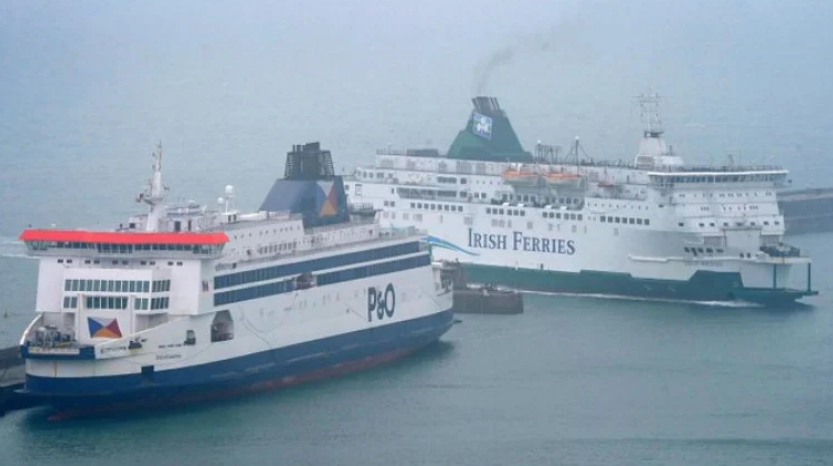
Three major ferry companies operate out of Dover. Each offers a distinct experience, from basic transit to more refined onboard environments.
P&O Ferries
P&O is a household name in Channel travel. Their fleet includes the new “Fusion Class” ships, which are hybrid-powered and offer floor-to-ceiling windows for stunning sea views. They focus on a premium experience with Club Lounges and varied dining options.
DFDS Seaways
DFDS operates on both the Calais and Dunkirk routes. They are often praised for their consistency and excellent family facilities. Their Dunkirk route is exclusive to vehicle travelers (no foot passengers), which often results in a quieter, more relaxed atmosphere onboard.
Irish Ferries
The newest player on the Dover-Calais route, Irish Ferries brought the “Oscar Wilde” and other high-capacity vessels to the Channel. They are frequently the most price-competitive, making them a favorite for budget-conscious travelers and those on long-term itinerary planning budgets.
Pro-Tip: Check the “Club Lounge” upgrades. For a small fee (usually £12–£20 per person), you get a quiet area, complimentary glasses of Prosecco, soft drinks, and snacks. It is a worthwhile investment to avoid the crowds during peak school holidays.
Onboard Amenities: Making the Most of 90 Minutes
Modern ferries are a far cry from the utilitarian vessels of the past. Today, the crossing is a vital part of your luxury escapes.
-
Dining: Options range from “Grab & Go” cafes and Starbucks to full-service brasseries. Expect classic fish and chips, artisan baguettes, and surprisingly good French pastries.
-
Shopping: Duty-Free is back and bigger than ever. You can find significant savings on spirits, perfumes, and tech compared to UK high-street prices.
-
Kids’ Zones: Most ships feature soft-play areas, video game arcades, and seasonal entertainment to keep younger travelers occupied.
-
Pet Lounges: If traveling with a dog, some operators now offer dedicated pet lounges where you can sit with your furry friend rather than leaving them in the car.
Essential Travel Logistics: Port Navigation and Customs
Since the transition to modern standards of border control, arriving at the port requires a bit more foresight.
Arrival Times
For most operators, the “check-in” closes 45 to 60 minutes before departure. However, during milestone vacations like Christmas or Summer holidays, arriving 90 to 120 minutes early is advised to clear both UK and French border controls, which are conducted in Dover before you board.
Necessary Documentation
Ensure you have the following ready to show at the booth:
-
Passports: Must have at least 3-6 months validity depending on modern regulations.
-
Booking Reference: Digital or printed.
-
Vehicle Logs (V5C): If taking your own car.
-
Travel Insurance: Always carry proof of insurance. We recommend World Nomads for comprehensive European coverage.
| Operator | Route | Foot Passengers? | Pet Friendly? |
| P&O Ferries | Calais | Yes | Yes (Lounge/Car) |
| DFDS Seaways | Calais/Dunkirk | No (Car only) | Yes (Car) |
| Irish Ferries | Calais | Yes | Yes (Car) |
Expert Recommendations for a Perfect Crossing
To ensure your journey feels like a part of your luxury escapes, follow these expert tips:
-
Book Accommodations Early: If you have a long drive ahead, stay at a hotel near Dover the night before. Use Booking.com to find stays with “long-stay parking” options.
-
Safety Gear: Ensure your car is equipped for French roads. This includes high-visibility vests for every passenger, a warning triangle, and UK stickers. You can find high-quality safety kits at REI or specialized auto shops.
-
Flexibility Pays: If you miss your ferry due to traffic on the M20, don’t panic. Most operators will put you on the next available sailing for a small “amendment fee,” provided there is space.
Pro-Tip: Download the operator’s app before you leave home. You will receive real-time push notifications about gate changes, loading times, and any potential delays in the Channel.
How to Book the Cheapest Ferry Tickets
-
Mid-Week Travel: Tuesday and Wednesday are consistently the cheapest days to cross.
-
Night Sailings: Crossings between 10:00 PM and 04:00 AM offer the lowest fares, often half the price of midday sailings.
-
Book in Advance: Ferry prices fluctuate like airline tickets. Booking 3–6 months in advance can save you up to 40%.
-
Avoid “Add-ons” at the Port: Buy your currency and travel kits before arriving at the port to avoid premium pricing.
Frequently Asked Questions (FAQ)
1. Which ferry is faster, Dover to Calais or Dunkirk?
Dover to Calais is the fastest route, taking approximately 90 minutes. Dover to Dunkirk takes about 2 hours (120 minutes).
2. Can I travel as a foot passenger from Dover?
Yes, but only on specific P&O and Irish Ferries sailings to Calais. DFDS currently only accepts vehicle-based travelers on their Dover routes.
3. Do I need a passport to take the ferry to France?
Yes, a valid passport is required for all passengers, including children, to clear border controls at the port.
4. Can I take my dog on the ferry to Calais?
Absolutely. Most operators allow pets. They usually stay in the car during the crossing, but some ships now offer pet-friendly lounges for an extra fee.
5. Is it cheaper to take the ferry or the Eurotunnel?
Generally, the ferry is cheaper, especially if booked in advance. The Eurotunnel is faster (35 minutes) but usually carries a higher price premium.
6. What happens if I miss my ferry?
Most operators will put you on the next available sailing. Depending on your ticket type (Flexi vs. Standard), you may have to pay a small supplement.
7. Are there duty-free shops on the ferry?
Yes, Duty-Free shopping is available on board all cross-channel ferries, offering discounts on alcohol, tobacco, and luxury goods.
8. Is there Wi-Fi on the Dover to Calais ferry?
Most modern ships offer Wi-Fi. While some basic access might be free, high-speed streaming usually requires a small purchase.
9. Which ferry operator is best for families?
DFDS and P&O are both excellent, offering play areas and kid-friendly menus. P&O’s newer ships have more modern interactive spaces.
10. Do I need to book the ferry in advance?
While you can buy tickets at the port, it is significantly more expensive, and you risk the ferry being full. Always book online in advance.

Pingback: Royan France: The Ultimate Coastal Adventure and Travel Guide | SeaFranceHolidays
Pingback: The Longest River in France: A Guide to French Waterways | SeaFranceHolidays
Pingback: British Expats in France: Guide to Visas, Healthcare, and Community | SeaFranceHolidays
Pingback: Moving to France from UK Checklist: The Ultimate Relocation Guide | SeaFranceHolidays
Pingback: Cheapest Time of Day to Cross Dover to Calais: 2026 Guide | SeaFranceHolidays