Paris, the City of Light, welcoming millions of tourists every year. While the city center is famously beautiful and generally safe, like any major global metropolis, it has specific areas that require extra caution, especially after dark.
Questions about safety naturally come up — especially for first-time visitors, solo travelers, and families.
The truth is simple: Paris is generally safe, but some areas require extra caution, particularly at night. This guide breaks down which areas to avoid, which are safe, and how to move smartly around the city — based on real data, traveler experiences, and local insights for a worry-free experience.
1. Safety Overview of Paris Arrondissements
The city of Paris is divided into 20 administrative districts (Arrondissements). Generally, the central and western districts are considered the safest, while certain areas in the north and east require higher vigilance.
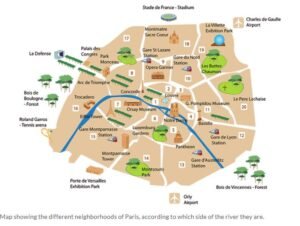
Areas of Paris That Require Extra Caution
⚠️ Important note: “Avoid” does NOT mean “no-go zones”. These areas are safe during the day but need awareness at night.
These areas are frequently cited in police reports for high rates of petty crime (pickpocketing, theft) and sometimes feel unwelcoming due to social issues.
| Arrondissement | Key Neighborhoods/Areas to Note | Primary Concern |
| 19th Arrondissement | Riquet Stalingrad, Place des Fêtes, La Villette | Historically highest crime rates in Paris; can feel hostile/unwelcoming in specific pockets. |
| 18th Arrondissement | Barbès-Rochechouart, Château-Rouge, northern Pigalle | High pickpocketing risk, and prevalence of drug sales and prostitution near metro stations. |
| 10th Arrondissement | Gare du Nord, Gare de l’Est | Prime target area for opportunistic theft and scams due to the high volume of travelers, especially in the evening. |
Specific Sensitive Spots to Be Wary Of
-
Châtelet-Les Halles (1st Arrondissement): Despite being central, the massive underground transport hub and shopping complex (Forum des Halles) can be complex and risky after 9 PM, making it a hotspot for pickpockets.
-
Stalingrad Area (19th/10th Arrondissement Border): Has been the focus of social issues, particularly drug use and related activity. Tourists are advised to avoid this specific area.
-
Rue St. Denis (Near Centre Pompidou): Parts of this street, especially those with adult entertainment or late-night activity, can be unsafe or inappropriate for families late in the evening.
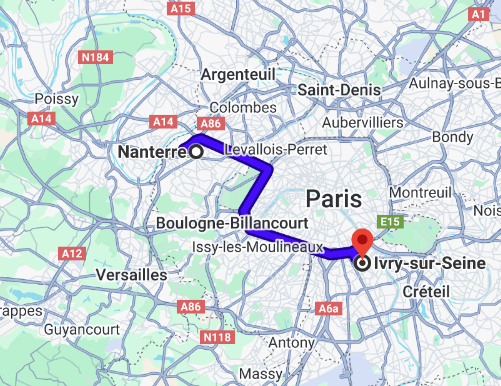
2. Guide to Safety in Paris Suburbs (Ivry-sur-Seine, Nanterre, Gentilly)
Many travelers stay or commute from the suburbs outside the Paris ring road (Périphérique). The safety level varies significantly. Here is an assessment of the areas frequently searched by visitors.
Ivry-sur-Seine Safety: A Detailed Look
Ivry-sur-Seine is a suburb located just to the south-east of Paris. It is a distinct municipality, not a part of the 20 arrondissements.
Recommendation: Ivry-sur-Seine is generally considered “moderately safe” or “safe with caution.” Like many working-class areas near Paris, it has undergone significant gentrification and development. Crime is typically lower than in the inner-city areas mentioned below, but petty crime (pickpocketing) and occasional public order issues can occur, particularly around transport hubs (like the RER C station) and certain older housing projects.
Safety Tips for Ivry-sur-Seine:
-
It is generally safe during the day, including for tourists.
-
Exercise caution late at night, especially near train/metro stations.
-
Tourists rarely have reasons to visit Ivry unless staying there.
Conclusion: Ivry-sur-Seine is generally considered safe with caution. Like many historically working-class suburbs near Paris, it has undergone significant urban renewal and gentrification. While it is not a high-crime area compared to some central districts, petty crime and isolated incidents can occur, particularly around transport links like the RER C station.
-
For Tourists: Generally safe during the day. Exercise vigilance around public transport late at night. Most tourists only visit if they are staying in the area.
Nanterre Safety: Is it Safe for Tourists and Residents?
Nanterre is a large city located west of inner Paris. It serves as the prefecture for its department and has a mixed reputation based on its size and social diversity.
Conclusion: Nanterre is a complex suburban area. The majority of its residential and business districts are generally safe. Safety concerns are usually focused on specific, older public housing estates and the perception of social disorder or occasional organized protests. Tourists visiting landmarks like the Grande Arche should feel secure.
-
Recommendation: If commuting via the RER A, the journey itself is safe. Be aware of your surroundings, as in any large city, but overall personal safety risk is low.
Gentilly Paris Safety
Gentilly is located immediately south of the 13th and 14th arrondissements of Paris.
Conclusion: Gentilly is widely regarded as a safe and quiet residential suburb. Its proximity to central Paris and good Metro connections make it a popular and reliable choice for accommodation. Crime rates are low, and it is a family-friendly area.
3. The Safest Arrondissements to Stay in Paris
For peace of mind, especially for first-time visitors, consider staying in one of the highly secure and central districts:
-
1st, 2nd, 3rd, and 4th Arrondissements (Central/Marais): Excellent policing, high security, and located in the heart of the tourist zone.
-
5th and 6th Arrondissements (Latin Quarter / Saint-Germain-des-Prés): Affluent, academic, and highly desirable areas with very low reported crime rates.
-
7th, 8th, and 16th Arrondissements: The most affluent areas, exceptionally quiet and safe, though usually more expensive.
-
14th and 15th Arrondissements: Large, sprawling residential districts that are generally peaceful and secure, offering a more local feel.
4. Essential Paris Safety Tips for Travelers
Understanding and implementing basic safety measures can drastically reduce your risk of unpleasant events.
-
Protect Against Pickpocketing: This is the most common crime against tourists.
-
Never keep phones or wallets in back pockets or unsecured backpacks.
-
Be highly vigilant in crowded areas (Metro stations, RER lines, and near major attractions like the Eiffel Tower and Louvre).
-
Use a cross-body bag or a money belt under clothing.
-
-
The Metro Rule: Never hold your cell phone carelessly while standing near the Metro doors. Thieves are known to snatch devices right as the doors close, leaving you stranded on the train.
-
Avoid Scams: Be cautious of individuals asking you to sign petitions, running shell games, or engaging in the “gold ring” scam. A firm “No” and walking away is the best defense.
-
Night Transport: The Metro closes around 1 AM. If you are traveling alone late at night, opt for a licensed taxi or a reliable ride-share service instead of walking long distances or using night buses, especially in the sensitive neighborhoods mentioned above.
-
Blending In: Try not to look overly conspicuous. Avoid displaying large paper maps or expensive jewelry unnecessarily. While not essential, a relaxed demeanor makes you less of a target.
Summary: A Safe Trip Awaits
Areas in and Around Paris – Safety Overview (2025)
| Area / Neighborhood | Safety Level | Best Time | Notes |
|---|---|---|---|
| 19th Arrondissement (Stalingrad, Riquet) | ⚠️ Medium | Daytime | Busy area, avoid late night |
| 18th Arrondissement (Barbès, Château Rouge) | ⚠️ Medium | Daytime | Pickpocketing risk, crowded |
| Gare du Nord / Gare de l’Est (10th) | ⚠️ Medium | Daytime | Transport hub, don’t linger at night |
| Châtelet–Les Halles | ⚠️ Medium | Daytime | Central but uneasy late night |
| Aubervilliers (Suburb) | ⚠️ Medium | Daytime | Mixed reputation |
| Nanterre (Suburb) | ✅ Mostly Safe | Day & Evening | Some areas quieter at night |
| Ivry-sur-Seine (Suburb) | ✅ Safe | All Day | Residential, calm |
| Gentilly (Suburb) | ✅ Safe | All Day | Student & family area |
| 1st–4th Arrondissements | ✅ Very Safe | All Day | Tourist & central |
| 6th & 7th Arrondissements | ✅ Very Safe | All Day | Elegant & calm |
| 15th Arrondissement | ✅ Very Safe | All Day | Residential & secure |
Emergency Numbers in Paris
The next numbers can all be phoned toll-free from any telephone in France (such as from payphones wherever accessible):
- Medical Emergencies: Dial “15”
- Fire brigade: Dial “18”
- Sexually-transmitted diseases: 01 40 78 26 00
- SOS Médecins (doctors): 01 47 07 77 77
- SOS Dentaire (dentists): 01 43 37 51 00
- SOS burns (H
- Police: Dial “17”
- Drug Info Service: 0 800 23 13 13
- AIDS/HIV Info Service: 0 800 840 800
- Poison treatment center: 01 40 05 48 48
- ôpital Cochin): 01 58 41 41 41
Drugstores in Paris
Most Paris suburbs have many drugstores, which can be effortlessly noticed by their razzle-dazzle green crosses. Several Parisian pharmacists converse in English and can give you over-the-counter medicines such as painkillers or cold syrup. Paris does not have The USA form of the drugstore, so you’ll need to go to a drugstore for most over-the-counter medicines.
Consulate Numbers and Contact Details:
When touring overseas, including in France, it’s invariably a sane plan to have your country’s consulate contact details on hand, in case you run into any difficulties, want to reissue a lost or stolen passport or meet another accident.
At The End
Paris remains a statistically trustworthy and captivating city. By applying common sense, remaining aware of your immediate surroundings, and taking appropriate precautions in high-traffic or sensitive areas, you can ensure your visit is safe, enjoyable, and memorable.

Great article! It’s so important to be aware of your surroundings when traveling. This really got me thinking about other, less obvious health risks for travelers. I was recently reading about Chagas disease, a parasitic infection that can be a concern in some rural areas of Central and South America, transmitted by insects often found in rustic accommodations. It’s not something most tourists think about, but awareness is key. Sorry for the link, but it’s the best resource I’ve found that clearly explains the risks and prevention for travelers: https://pillintrip.com/es/article/chagas-disease-essential-travelers-guide. My question is, for travelers venturing outside the main tourist areas and into more rural parts of Latin America, are there any specific health precautions or local insights regarding such vector-borne diseases that you would recommend beyond the general safety tips mentioned here? Thanks for the comprehensive guide!
Pingback: Moving to Paris as an American: A Guide to Visas, Rents, and Reality | SeaFranceHolidays
Pingback: Moving to Paris: The Expat Cost of Living & Relocation Guide | SeaFranceHolidays
Pingback: Paris Uncensored: 50+ Facts You Won’t Find in Guidebooks | SeaFranceHolidays
Pingback: Visiting the Paris Opéra: Your Local’s Guide to Seats, Secrets, and Avoiding the Tourist Traps | SeaFranceHolidays
Pingback: Is it Safe to Travel to France Right Now? Safety Guide & Logistics | SeaFranceHolidays
Pingback: Your Guide to Parisian Family Resorts Where Everyone Actually Relaxes | SeaFranceHolidays
Pingback: Paris with a Baby: The Parent-Tested Guide to a Serene & Magical Trip | SeaFranceHolidays
Pingback: The Paris & Strasbourg Rat Reality: A Street-Level Guide to Navigating France’s Rodent Problem | SeaFranceHolidays
Pingback: Best Cheap Parking in Paris – Garages, Rates & Hacks | SeaFranceHolidays