Deciding how to cross the English Channel with a dog involves much more than just comparing ticket prices. As someone who has crossed from Kent to France dozens of times with my own spaniel, I can tell you that the choice between the ferry and the Eurotunnel (LeShuttle) hinges on your dog’s specific temperament. While one dog might sleep peacefully in a car on a train, another might suffer from claustrophobia or the strange vibrations of a sub-sea tunnel.
Ferry vs. Eurotunnel for Dog Owners: The Practical Cross-Channel Guide
The core trade-off is between the speed and security of the Eurotunnel and the open-air, multi-sensory experience of a ferry. For many, the ability to stay with their pet is the deciding factor, while others prioritize the chance to stretch their legs on deck. This guide strips away the marketing fluff to provide a raw, experience-based comparison for dog owners navigating current travel requirements.
The Eurotunnel (LeShuttle) Experience: Speed and Continuity
The Eurotunnel remains the gold standard for many pet owners because it eliminates separation anxiety. From the moment you arrive at the Folkestone terminal to the moment you drive out onto French soil at Coquelles, your dog never has to leave your side.
Why Dog Owners Choose the Tunnel
The primary draw is the “stay in your vehicle” policy. On my last trip, the total transit time from the boarding ramp to the French exit was exactly 35 minutes. For a dog that views the car as their “safe space,” this is unbeatable. You can play calming music, keep the air conditioning at a specific temperature, and provide reassurance through touch—something that is impossible on a standard ferry car deck.
The Pet Reception Process at Folkestone
Before you can board, you must visit the Pet Reception building. It is efficiently run, but queues can build up during peak holiday seasons. Staff will scan your dog’s microchip and verify the Animal Health Certificate (AHC). I’ve noticed that arriving just 15 minutes before the suggested check-in time can save you from a 40-minute wait in the pet-specific lanes.
| Feature | Eurotunnel Details | Benefits for Dogs |
| Duration | 35 Minutes | Minimal confinement time. |
| Supervision | You stay with your pet | Zero separation anxiety. |
| Pet Facilities | Dedicated exercise areas | Fenced zones for a pre-boarding break. |
| Noise Level | Low hum / vibrations | Less frightening than ship engines. |
Pro-Tip: Pack a “cool mat” if you are traveling in summer. Even with the shuttle’s air conditioning, sitting in a stationary car inside a train carriage can occasionally feel stuffy for thick-coated breeds like Huskies or Golden Retrievers.
The Ferry Option: Fresh Air vs. Car Deck Separation
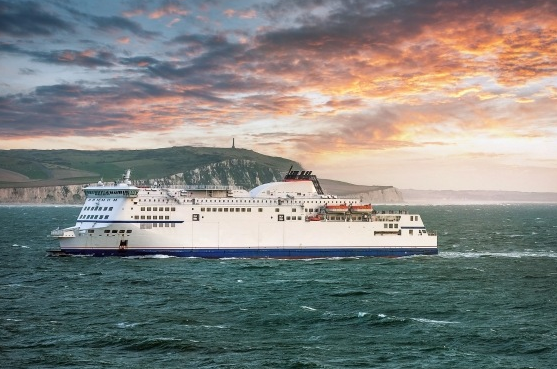
Taking the ferry used to be the “budget” choice, but it has evolved. While most short-sea ferries (Dover to Calais) traditionally required dogs to stay in the car, new facilities are changing the game for those who prefer the sea route.
The Challenge of the Car Deck
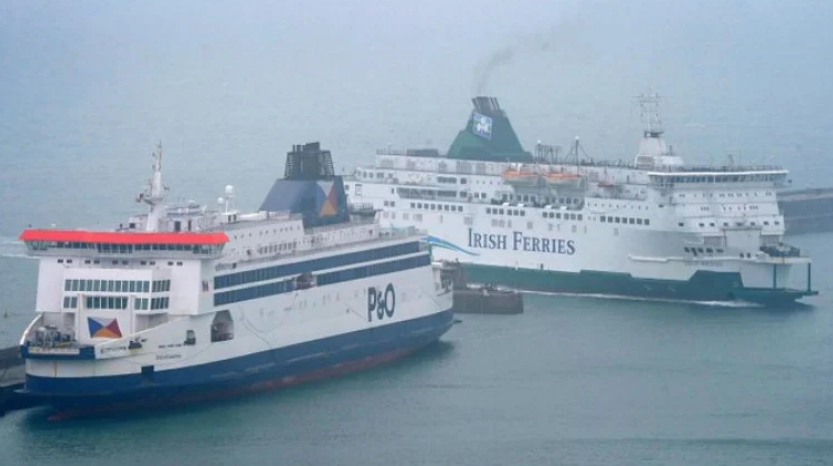
On a standard crossing with P&O or DFDS, you typically have to leave your dog in the car for 90 minutes. For an adventurous dog, this isn’t an issue. However, car decks are noisy, dark, and filled with the sounds of car alarms being triggered by the ship’s movement. On a particularly choppy crossing last winter, I found that my dog was much more unsettled by the “clanking” sounds of the ship than the actual motion of the water.
The Rise of the Pet Lounge
To compete with the Eurotunnel, many operators have introduced dedicated Pet Lounges. For an additional fee, you can bring your dog up to a climate-controlled lounge with comfortable seating for you and a dedicated exercise area for them.
-
P&O Ferries: Offers a large pet lounge with complimentary refreshments for owners.
-
DFDS: Features pet-friendly areas and even pet-friendly cabins on longer routes.
| Ferry Route | Pet Stay Option | Best For |
| Dover to Calais | Car Deck or Pet Lounge | High frequency and flexibility. |
| Dover to Dunkirk | Car Deck | Quietest port for disembarking. |
| Hull to Rotterdam | Pet-Friendly Cabins | Overnight comfort on long trips. |
Pro-Tip: If your dog is staying in the car, crack the windows only 2-3 inches. This ensures ventilation without the risk of the dog trying to squeeze out or getting their head stuck if an alarm startles them.
Technical Requirements: Paperwork and Health Checks
Regardless of whether you go under the sea or over it, the entry requirements for France remain the same. Since the UK left the EU, the process has become more administrative and costly.
The Animal Health Certificate (AHC)
You can no longer use a UK-issued Pet Passport. You need a 10-page document called an Animal Health Certificate. It must be signed by an “Official Veterinarian” (OV) and is only valid for one entry into the EU. I recommend finding a “travel-specific” vet clinic; some local vets charge upwards of £250, whereas specialist pet travel clinics can issue them for around £100.
Returning to the UK: The Tapeworm Treatment
Before returning to Folkestone or Dover, a vet in France must administer a tapeworm treatment (Praziquantel) to your dog. This must be done between 24 and 120 hours before you arrive at UK border control. I’ve found that many vets in Calais near the Cité Europe shopping centre speak excellent English and offer “drive-in” appointments specifically for this purpose.
Cost Comparison: The True Price of Pet Travel
Pet travel isn’t cheap. Both operators charge a “per pet” fee on top of your vehicle fare.
-
Eurotunnel: Usually charges around £23 per pet, each way.
-
Ferry: Charges between £15 and £30 per pet, depending on the operator and whether you book a lounge.
| Expense Item | Estimated Cost (One Way) | Note |
| Pet Fare (Tunnel) | £23 | Fixed fee. |
| Pet Fare (Ferry) | £18 | Can vary by season. |
| Animal Health Certificate | £100 – £200 | Required for every trip. |
| French Vet (Return) | €40 – €60 | Includes consultation and pill. |
Expert Recommendations for Dog Owners
Based on years of traveling with pets across the Channel, here are my top strategic recommendations:
-
Prioritize the Tunnel for “Anxious” Dogs: If your dog barks at strangers or hates being alone, the extra £50-£100 for the Eurotunnel is an investment in your sanity and the dog’s well-being.
-
Use the Ferry for “Sea-Loving” Breeds: If you have a calm dog and you want to enjoy a meal, the ferry is a great way to break up a long drive from Northern England or Scotland.
-
Check-in Logistics: Always have your dog’s microchip number written down or saved on your phone. Occasionally, the scanners at the port struggle with thick fur, and having the number helps the staff manually verify the record.
-
Affiliate Insight: When booking hotels in France, I always use Booking.com and filter specifically for “Pets Allowed.” Be aware that many French hotels charge a “Pet Supplement” of €10-€20 per night, which is often paid locally.
Pro-Tip: If your dog is a “Brachycephalic” (flat-faced) breed like a Pug or Bulldog, be extremely cautious with the ferry car deck during summer. These decks can reach high temperatures, and these breeds struggle to regulate their heat. The Eurotunnel or a Pet Lounge is significantly safer for them.
How to Successfully Cross the Channel with a Dog
-
Scan the Microchip Early: Visit your vet a week before travel to ensure the microchip hasn’t “migrated” and is easily readable.
-
Verify the Rabies Date: Ensure the rabies vaccination was administered after the microchip was implanted. If the dates are reversed, the AHC is invalid.
-
Pack a Travel Kit: Include a spill-proof water bowl, extra waste bags, a favorite blanket, and a copy of your dog’s medical history.
-
Visit the Exercise Area: Both Folkestone and Dover have fenced “Pet Relief” stations. Use them right before boarding to avoid accidents during the crossing.
-
Declare at Check-in: Ensure the staff gives you a “Pet Onboard” hanger for your mirror. This is a safety requirement for the ferry and a tracking requirement for the tunnel.
Frequently Asked Questions (FAQ)
Can I take my dog on the Eurostar train?
No. While the Eurotunnel (LeShuttle) for cars allows dogs, the Eurostar passenger train from St Pancras does not allow pets, except for registered assistance dogs.
Is the Eurotunnel safer than the ferry for dogs?
In terms of temperature control and owner proximity, the Eurotunnel is generally considered safer for anxious or temperature-sensitive breeds. However, ferries with Pet Lounges are a very safe alternative.
How many dogs can I take to France?
You can take up to five dogs under non-commercial travel rules. If you carry more than five, you may be subject to different “commercial” regulations and health checks.
Do I need a muzzle for my dog in France?
French law requires certain “Category 1” and “Category 2” breeds (like Pitbull or Rottweiler types) to wear muzzles in public. For other breeds, it isn’t legally required but is often recommended in crowded port areas.
What happens if I forget the tapeworm treatment?
UK Border Force is very strict. If the treatment wasn’t done within the 24-120 hour window, your dog will be denied entry and may have to stay at a local kennel in France until the timeframe is met.
Can I leave my dog in a roof-top tent or trailer?
No. Pets must stay inside the car or in a secured, ventilated crate within the vehicle. They are not allowed to stay in towed trailers or caravans on the ferry car deck.
Are there vets open on Sundays in Calais?
Yes, but they are limited. Clinics like “Vétérinaires du Détroit” often have emergency or weekend hours, but it is much safer to book a Friday or Saturday appointment if you are returning on a Sunday.
Does the ferry provide water for dogs?
In the Pet Lounges, water bowls are provided. On the car deck, you are responsible for leaving enough water in a non-spill bowl for your dog.
Is there a pet-waiting area at the French side?
Yes, the Eurotunnel terminal in Coquelles (Calais) has a dedicated pet exercise area and a Pet Reception for the return journey, which is often less busy than the UK side.
Can I take a puppy to France?
Puppies must be at least 12 weeks old to receive their rabies vaccination, and you must wait 21 days after that before they can travel. Therefore, a puppy must be at least 15 weeks old to travel to France.