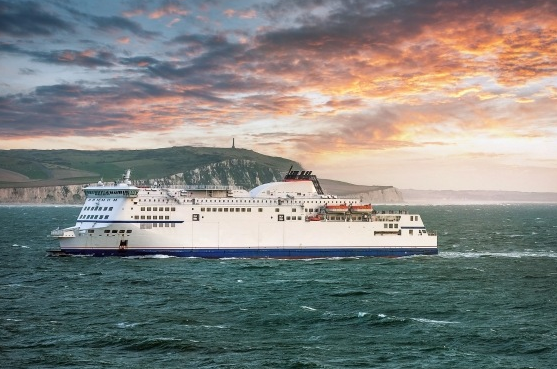
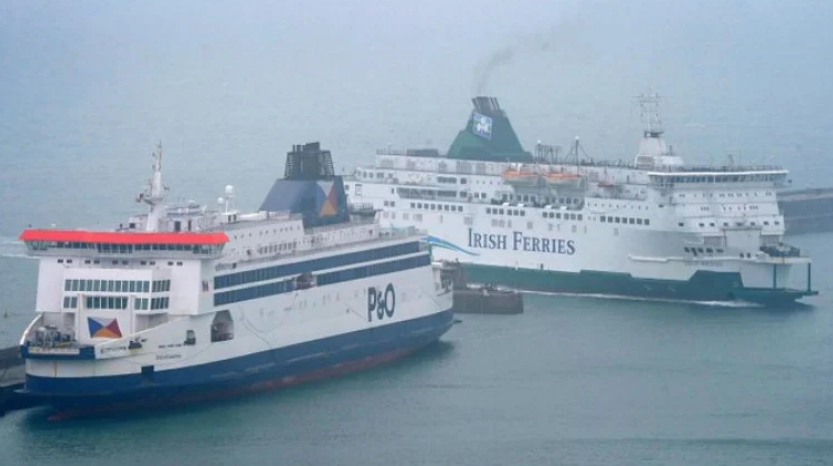
The Port of Dover is one of the world’s busiest maritime hubs, serving as the primary jumping-off point for British travelers heading to France. Whether you are embarking on a long getaway or a quick weekend hop, the efficiency of your journey depends heavily on navigating this massive complex correctly. Understanding the layout, check-in procedures, and modern standards of port security is essential for any successful itinerary planning.
Dover Ferry Port Guide: Navigating the Gateway to Europe
As the gateway for major operators like P&O Ferries, DFDS, and Irish Ferries, Dover Port can be intimidating during peak holiday seasons. This guide provides seasoned travel expertise to help you arrive, park, and board with zero stress, ensuring your European adventure starts on the right note.
Also Check: Taking a Pet to France on a Ferry: Requirements & Expert Tips
Getting to Dover Ferry Port: Essential Directions
Most travelers reach the port via two main arterial roads: the M20 and the A2. Your choice of route should depend on your starting location and current traffic conditions.
-
Via M20/A20: This is the most common route for those traveling from London and the M25. It leads directly into the port through the town of Dover.
-
Via A2: This route is often preferred by travelers coming from the North or East Kent. It offers a more dramatic descent into the port with views of Dover Castle.
| Route | Best For | Potential Bottlenecks |
| M20 / A20 | Direct access from London/South East | Roundabouts in Dover town center |
| A2 | Travelers from North Kent/Canterbury | Steep hills (Jubilee Way) |
| Train (High Speed) | Foot passengers from London St Pancras | Requires a shuttle/taxi from the station to the port |
Pro-Tip: Always check the “Operation Brock” status on the M20 before leaving. This traffic management system can significantly alter journey times during periods of high congestion or industrial action.
Facilities at the Eastern Docks
Once you clear the initial security checks, you will enter the Eastern Docks. The Port of Dover has undergone extensive modernization to meet the demands of contemporary travel.
The Passenger Terminal Building
The main terminal is located centrally within the Eastern Docks. It is a vital stop for those who have arrived early and need a break before boarding.
-
Dining: You will find outlets offering coffee, snacks, and full meals.
-
Currency Exchange: While available, modern standards recommend using a travel card for better rates.
-
Toilets and Baby Changing: Clean, accessible facilities are located throughout the terminal.
Duty-Free Shopping
Post-Brexit regulations have brought back significant duty-free opportunities. The “World Duty Free” shop in the Dover terminal allows you to stock up on spirits, tobacco, and luxury goods before you even board the ship.
Parking and Waiting Areas
The Port of Dover operates on a “flow-through” system, but there are specific areas for short-term and long-term parking.
-
Short-Stay Parking: Located near the main terminal, this is ideal if you need to go inside for snacks or to use the restroom.
-
Long-Stay Parking: If you are traveling as a foot passenger and leaving your car in the UK, use the dedicated multi-storey car park. We recommend booking this through Booking.com or the port’s official site to guarantee a space.
Pro-Tip: If you are traveling with a pet, look for the dedicated “Pet Exercise Area” near the terminal. It is a fenced, grassy zone where your dog can stretch its legs and relieve itself before being confined to the car or a pet lounge for 90 minutes.
Security and Passport Control: Modern Standards
The most time-consuming part of the Dover experience is clearing the “Juxtaposed Controls.” This means you clear both UK Border Force and French Passport Control (PAF) before you board the ferry.
-
Check-in: Present your booking reference or QR code to the operator booth.
-
French Customs: Your passports will be checked and stamped by French officers.
-
Security Search: Random vehicle searches are common. Cooperate fully and ensure you aren’t carrying restricted items like certain meats or plants as per current EU entry rules.
Expert Recommendations for a Smooth Departure
To make your transit as comfortable as possible, consider these expert-vetted tips:
-
Pre-Port Stay: If you have a 6:00 AM sailing, don’t drive through the night. Stay at a local B&B or hotel in Dover town. Booking.com lists several options within a 5-minute drive of the docks.
-
Insurance: Ensure your travel insurance covers “Port Delays.” World Nomads is an excellent choice for flexible, road-trip-friendly policies.
-
Vehicle Prep: Ensure your “UK” sticker is clearly visible and your headlights are adjusted for right-hand driving. High-quality kits are available via REI or specialized auto shops.
| Operator Booth | Location in Port | Frequency |
| P&O Ferries | Follow “P&O” Signs | Every 45 – 60 Mins |
| DFDS Seaways | Follow “DFDS” Signs | Every 90 Mins |
| Irish Ferries | Follow “Irish Ferries” Signs | Hourly |
How to Navigate Dover Port for the First Time
-
Arrive 90-120 Minutes Early: During holiday periods, the queue for passport control can take over an hour.
-
Follow Color-Coded Lanes: Once you check in, the staff will give you a lane number and a hanger for your mirror. Follow the overhead signs to your specific lane.
-
Keep Passports Handy: Do not pack your passports in the trunk. Every passenger must present their own document at the French border booth.
-
Listen to Port PA Systems: Announcements regarding boarding times and lane movements are broadcast frequently. Keep your windows slightly down to hear them.
-
Turn Off Engines: Once parked in your boarding lane, turn off your engine to reduce emissions and noise, but stay near your vehicle.
Frequently Asked Questions (FAQ)
1. What is the postcode for Dover Ferry Port?
The main postcode for satellite navigation is CT16 1JA. This will take you to the Eastern Docks entrance.
2. Can I buy a ticket at the Dover Port terminal?
While possible, it is significantly more expensive than booking online. Most operators recommend booking at least 24 hours in advance to secure a space.
3. Is there a place to eat at Dover Port?
Yes, the Passenger Services Building in the Eastern Docks has several cafes, including Costa Coffee and various snack bars.
4. Are there showers at Dover Port?
Yes, shower facilities are available for passengers within the main terminal building, which is particularly useful for long-distance drivers.
5. How far is the train station from the port?
Dover Priory station is about a 25-30 minute walk or a 5-10 minute taxi ride from the ferry terminal.
6. What happens if I am late for my ferry?
Most operators will put you on the next available sailing, though you may have to pay a small amendment fee depending on your ticket type.
7. Is there free Wi-Fi at Dover Port?
Yes, free Wi-Fi is provided throughout the Passenger Services Building and in most of the boarding lanes.
8. Can foot passengers board at Dover?
P&O Ferries and Irish Ferries typically allow foot passengers, but DFDS is restricted to vehicle travelers on the Dover routes. Always check your specific operator’s policy.
9. Is there a currency exchange at the port?
Yes, there are Travelex booths in the terminal, though rates are generally better if you arrange currency in advance.
10. Are there electric vehicle (EV) charging points at the port?
There are limited EV charging points in the short-stay car park, but not in the boarding lanes. It is best to charge your vehicle at one of the motorway service stations (like Maidstone or Ashford) before arriving at the port.