The size of France compared to the U.S. state of Texas is one of the most frequently searched geographical comparisons. Many people assume they are similar in size, but what do the facts and figures say?
The quick answer is: Texas is significantly larger than Metropolitan France.
While the difference isn’t as vast as comparing Texas to a smaller European nation, Texas clearly takes the lead. This guide provides a definitive breakdown of the size difference in land area, population, and how they stack up against other global regions.
1. Area Comparison: Texas is Bigger Than France
To provide a precise comparison, we must differentiate between Metropolitan France (the area within Europe) and France’s total area (which includes overseas territories like French Guiana). The comparison usually refers to Metropolitan France.
Here is the side-by-side data comparison:
| Metric | Texas (The Lone Star State) | Metropolitan France (European Area) | Difference |
| Land Area (sq. miles) | 268,597 sq. mi. | 213,011 sq. mi. | Texas is 26.1% larger |
| Land Area (sq. km) | 695,662 sq. km. | 551,695 sq. km. | Texas is 143,967 sq. km larger |
| Population (Approx.) | 30.5 Million | 64.8 Million | France has more than double the population |
| Population Density | ~113 people/sq. mi. | ~304 people/sq. mi. | France is 2.7 times more densely populated |
Conclusion: When comparing the landmass of Texas to the continental area of France, Texas is clearly bigger.
How Many Frances Can Fit Inside Texas?
Given the area difference:
-
Texas is large enough to contain Metropolitan France approximately 1.26 times.
-
In other words, you could fit France inside Texas and still have an area larger than the state of New York left over.
2. Texas vs. France: Size Relative to Other Regions
To truly grasp the magnitude of the “Lone Star State,” it helps to compare it to other states and countries often mentioned in the same context.
Texas vs. Other Major U.S. States
| Comparison | Area (sq. miles) | Conclusion |
| Texas | 268,597 sq. mi. | 2nd largest U.S. state. |
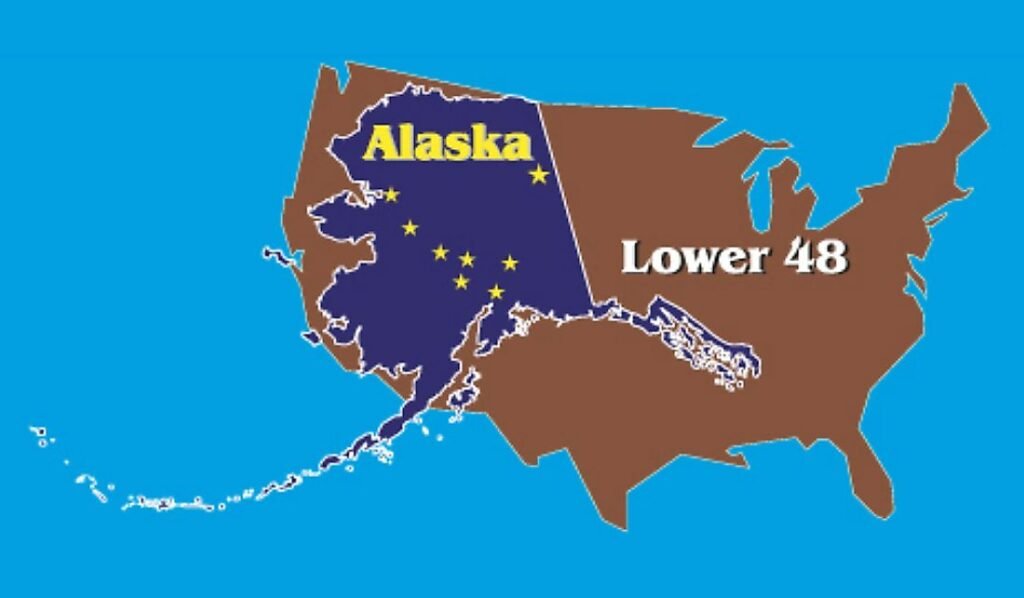
| Alaska | 663,268 sq. mi. | Alaska is 2.5 times larger than Texas. |
| California | 163,695 sq. mi. | Texas is 64% larger than California. |
France vs. Other European Countries
| Comparison | Area (sq. km) | Conclusion |
| Metropolitan France | 551,695 sq. km. | Largest country in the European Union by area. |
| Germany | 357,022 sq. km. | France is 54% larger than Germany. |
What U.S. State is the Size of France?
Since Texas is too large and California is too small, what U.S. state is closest in size to Metropolitan France (213,011 sq. mi.)?
-
The U.S. state most comparable in area to Metropolitan France is Utah (84,899 sq. mi.) and Idaho (83,569 sq. mi.) combined, or a state like Colorado (104,094 sq. mi.) multiplied by two, showing just how large France still is compared to single U.S. states.
-
The total area of France, including all overseas territories (248,573 sq. mi.), is almost exactly the same size as Texas. However, geographical comparisons usually focus on the contiguous landmass.
3. Beyond Size: Population and Economic Power
While size comparisons are fascinating, the differences in population and economic structure are more striking.
Population Density
-
France’s High Density: With over 64 million people in a smaller area, France is a much more densely populated nation. This affects everything from infrastructure and transport to housing prices.
-
Texas’s Growth: While less dense than France, Texas is one of the fastest-growing regions in the U.S., with major metropolitan areas like Houston, Dallas, and San Antonio rapidly expanding.
Economic Structure
-
France: A centralized economy, a member of the European Union, highly integrated with the European market, and a global leader in luxury, aerospace, and nuclear energy.
-
Texas: A decentralized, state-based economy within the U.S., dominated by energy (oil and gas), technology (Silicon Hills in Austin), and large-scale agriculture.
4. Historical and Geographical Context
The Lone Star State
Texas earned its nickname “The Lone Star State” from its flag and its history as an independent republic from 1836 to 1845. It is the only state to have entered the Union by treaty rather than annexation. Its vast size is a key component of its identity, making it the 2nd largest state in the U.S.
France: Largest in Europe
France holds the distinction of being the largest country by area in the European Union and the third-largest in all of Europe. Its diverse geography ranges from the Alpine mountains to long Atlantic and Mediterranean coastlines.