Choosing the right way to cross the English Channel with a caravan or motorhome is a pivotal decision for any European road trip. The “Ferry vs Eurotunnel” debate often comes down to a choice between leisure and speed. For owners of leisure vehicles, this decision is further complicated by specific vehicle dimensions, gas bottle regulations, and the comfort of four-legged passengers.
Ferry vs Eurotunnel for Caravans & Motorhomes: The Definitive Comparison
Modern standards of travel have made both options highly efficient, yet they offer fundamentally different experiences. The ferry provides a nautical break from the driver’s seat, while the Eurotunnel (LeShuttle) offers a high-speed transit that keeps you behind the wheel. This guide breaks down the technical requirements and insider tips to help you choose the best route for your home-on-wheels.
Speed vs. Leisure: The Core Difference
The most immediate difference is the time spent on the water versus under it. For many motorhome owners, the journey is just as important as the destination.
-
The Eurotunnel Advantage: The crossing from Folkestone to Calais takes a mere 35 minutes. You drive into a brightly lit, air-conditioned carriage and remain with your vehicle. For those on a tight schedule, it is the undisputed winner.
-
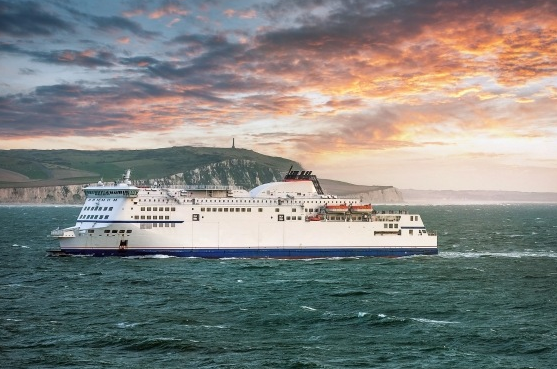
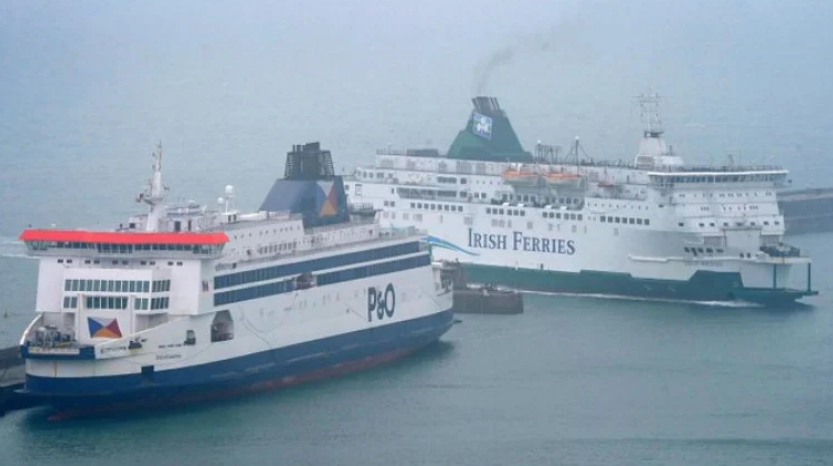
The Ferry Experience: A Dover to Calais crossing takes roughly 90 minutes, but you must factor in earlier check-in times. However, the ferry allows you to leave your vehicle, enjoy a meal, shop for duty-free goods, and breathe in the sea air.
Pro-Tip: If you have a particularly large motorhome or a twin-axle caravan, the Eurotunnel’s “Single Deck” carriages are much wider and higher than standard train cars. This makes maneuvering significantly less stressful than tight ferry ramps during peak boarding times.
Gas Regulations: A Critical Safety Check
For caravan and motorhome owners, gas bottles are essential for cooking and heating. However, the rules for carrying flammable gas differ strictly between the tunnel and the sea.
Eurotunnel Gas Rules
LeShuttle has a zero-tolerance policy for LPG-powered vehicles (primary fuel). However, they allow portable gas cylinders for domestic use with strict limits.
-
Maximum Quantity: You can carry up to 50kg of gas in total.
-
Cylinder Limit: No single cylinder can exceed 47kg.
-
Status: All cylinders must be switched off at the valve before boarding. Staff will manually check your gas locker during the security phase.
Ferry Gas Rules
Ferries are generally more lenient regarding gas, but safety protocols still apply. You must declare your gas cylinders at check-in. Most operators allow up to 3 cylinders (maximum 47kg each), provided they are disconnected or turned off.
Pro-Tip: Always ensure your gas locker is unlocked when you approach the security zone at either the port or the tunnel. Having to hunt for keys while a line of cars waits behind you is a common “rookie mistake.”
Pet Travel: Comfort for Your Companions
If you are traveling with pets, the Eurotunnel is often cited as the gold standard for pet travel. Because you stay in your vehicle, your pet remains in their familiar environment with you.
-
Eurotunnel Pet Experience: After visiting the 24-hour Pet Reception for a “paws-port” check, you drive onto the shuttle. Your dog can sit in their usual spot, and you can even provide water and treats during the 35-minute hop.
-
Ferry Pet Experience: On most short-sea ferries, pets must stay in the vehicle on the car deck. This can be distressing due to the noise of car alarms and the ship’s engines. However, modern standards are improving, with operators like P&O and DFDS now offering “Pet Lounges” where you can sit with your dog for an extra fee.
Cost Comparison for Leisure Vehicles
Ticket prices for caravans and motorhomes are significantly higher than for standard cars due to the space they occupy.
Prices are estimates based on modern standards for return trips booked 6-8 weeks in advance.
Expert Recommendations for 2025
-
The “Club Card” Hack: Use Tesco Clubcard points for Eurotunnel bookings to significantly reduce the cost of your crossing. This is a favorite among the UK caravanning community.
-
Route Strategy: If you are heading to Belgium or Germany, consider the Dover to Dunkirk ferry. It’s often cheaper than Calais and places you further east, saving fuel.
-
Booking.com & Stayovers: If you have a long drive to the south coast, don’t rush. Book a “motorhome-friendly” stopover near Folkestone or Dover via Booking.com to arrive refreshed for an early morning crossing.
-
Equipment: Ensure your vehicle has a “UK” sticker and a spare bulb kit. Quality travel kits are available from REI or specialized caravan retailers.
How to Prepare Your Caravan or Motorhome for Crossing
-
Check Your Dimensions: Measure your height, length, and width (including mirrors and bike racks) accurately. Providing incorrect data can lead to boarding refusal or heavy surcharges at the port.
-
Service Your Gas System: Ensure all valves are easy to turn. If you have an underslung LPG tank, ensure the gauge is working, as Eurotunnel staff will need to verify it is less than 80% full.
-
Organize Your Paperwork: Keep your V5C logbook, insurance certificate, and Animal Health Certificate (if applicable) in a dedicated “Travel Folder” within reach of the driver.
-
Secure Internal Items: Caravans can sway during the boarding ramp ascent or if the sea is choppy. Ensure all cupboards are locked and loose items are stored on the floor.
-
Arrive Early: Modern standards of security mean passport checks take longer than they used to. Aim to arrive at least 90 minutes before your departure to avoid stress.
Frequently Asked Questions (FAQ)
1. Is the Eurotunnel more expensive for motorhomes?
Generally, yes. The Eurotunnel commands a premium for its speed and convenience. However, during off-peak hours (late night or mid-week), the price gap narrows.
2. Can I use my fridge during the crossing?
On the Eurotunnel, all gas must be switched off, meaning your fridge will be off. On the ferry, gas must also be off, but some modern motorhomes have “AES” fridges that can run on 12V while the engine is running (but not during the crossing). We recommend using ice packs for the short journey.
3. Are there height limits for caravans on the ferry?
No. Ferries can accommodate the largest commercial trucks, so any road-legal caravan or motorhome will fit easily.
4. What happens if I have an LPG-powered engine?
You cannot use the Eurotunnel if your vehicle’s primary or secondary fuel is LPG. You must take the ferry.
5. Which is better for seasickness?
The Eurotunnel is the clear winner for those who suffer from motion sickness, as the train remains perfectly stable throughout the 35-minute transit.
6. Can I stay in my caravan during the ferry crossing?
No. For safety reasons, all passengers must leave the car deck and head to the upper passenger decks once the ship departs.
7. Do I need to book the Eurotunnel in advance?
Yes. While you can turn up and buy a ticket, prices are significantly higher at the booth, and spaces for “High Vehicles” (like motorhomes) fill up quickly.
8. Is there a weight limit for motorhomes on the Eurotunnel?
The Eurotunnel can carry vehicles up to 25 tonnes on their single-deck carriages, which covers almost all private motorhomes.
9. Can I take my bike rack on the ferry?
Yes, but you must include the length of the bike rack in your total vehicle length when booking to ensure you are allocated a large enough space.
10. Which is faster to reach Belgium?
Taking the ferry to Dunkirk is often faster for reaching Belgium than the Eurotunnel to Calais, as Dunkirk is 20 miles closer to the Belgian border.