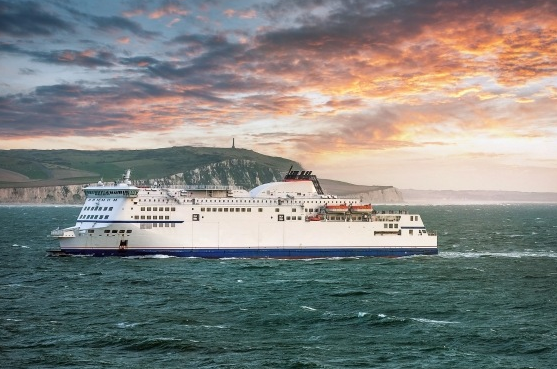
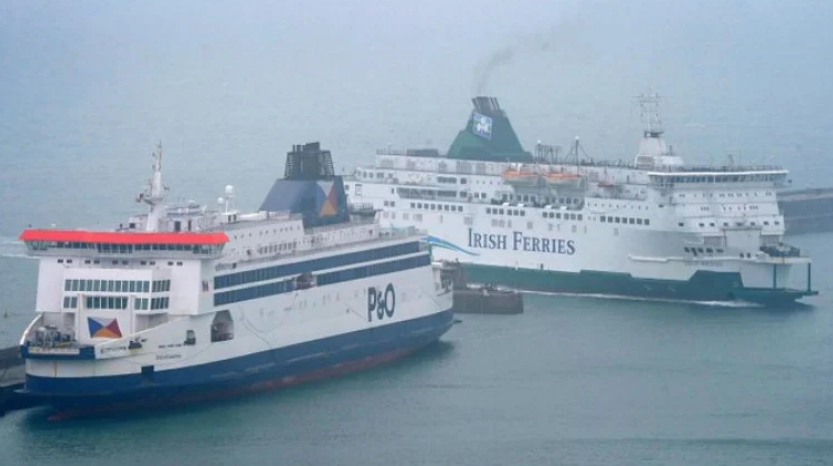
Choosing the right way to cross the English Channel is a pivotal decision for any traveler. Whether you are arranging a complex trip schedule or seeking a quick weekend getaway, the choice between the traditional ferry and the high-speed Eurotunnel (Le Shuttle) will dictate the tempo of your journey. Each mode of transport offers distinct advantages depending on your budget, vehicle type, and tolerance for travel time.
Ferry vs Eurotunnel: Comparing Costs, Speed, and Convenience
Modern standards of cross-channel travel have evolved significantly, making both options highly efficient. While the ferry offers a chance to stretch your legs and enjoy sea views, the Eurotunnel provides a rapid, subterranean transit that keeps you in the comfort of your own vehicle. Understanding the nuances of cost, speed, and convenience is essential for a seamless transition from the UK to the European continent.
Speed and Efficiency: The Race to France
When it comes to pure velocity, the Eurotunnel is the undisputed champion. Operating between Folkestone and Calais, the transit takes approximately 35 minutes from platform to platform. This makes it the go-to choice for business travelers and those eager to maximize their time at luxury escapes in Europe.
In contrast, the ferry routes from Dover to Calais typically take 90 minutes, while the Dover to Dunkirk route averages around 120 minutes. However, “speed” is not just about the crossing time. You must also consider the check-in and boarding process. Ferry operators often require you to be at the port 60 to 90 minutes before departure, whereas the Eurotunnel has a slightly more flexible check-in window, often allowing boarding for those who arrive early if space is available.
Cost Analysis: Budgeting for the Channel
For many, the decision between the ferry and the tunnel comes down to the bottom line. Historically, the ferry has been the more budget-friendly option, particularly for families and those traveling with caravans or larger vehicles.
Ferry Pricing
Ferry operators like P&O, DFDS, and Irish Ferries use dynamic pricing. If you book well in advance for mid-week, off-peak sailings, you can find fares significantly lower than any tunnel crossing. The ferry also allows for “per vehicle” pricing that often covers up to five passengers, making it highly cost-effective for larger groups.
Eurotunnel Pricing
The Eurotunnel tends to carry a price premium for its speed. However, they offer “Frequent Traveller” bundles and off-peak discounts for short stays (under 5 days). While more expensive, the tunnel does not charge extra for roof boxes or most standard bike racks, which can sometimes incur surcharges on specific ferry vessels.
Pro-Tip: If you are a member of the Tesco Clubcard scheme, you can often exchange your points for Eurotunnel vouchers, sometimes doubling or tripling their value, effectively making the “expensive” option the cheapest one for your specific trip.
Convenience and Onboard Experience
The experience of the two modes of transport could not be more different. Your choice here depends on whether you view the crossing as a necessary hurdle or a part of the holiday itself.
The Ferry Experience: A Mini-Cruise
On a ferry, you must exit your vehicle and head to the passenger decks. This provides a vital break for drivers. Modern ferries feature:
-
Duty-Free Shopping: Huge savings on spirits, perfumes, and electronics.
-
Dining: Cafes, bars, and full-service brasseries.
-
Kids’ Zones: Play areas and video game arcades to keep children occupied.
-
Fresh Air: The ability to stand on the deck and see the White Cliffs of Dover is a classic travel experience.
The Eurotunnel Experience: The Drive-Through
On the Eurotunnel, you stay inside your car. There is no duty-free shopping or dining during the 35-minute transit. It is a functional, “get-it-done” experience. This is ideal for:
-
Pet Owners: Pets stay with you in the car, reducing stress for nervous animals.
-
Privacy: Ideal for those who want to avoid crowds or prefer their own climate-controlled environment.
-
Late Night Arrivals: If you are arriving late at the terminal, the process is streamlined and fast, allowing you to get to your hotel sooner.
Travel Logistics and Reliability
Both services are remarkably reliable, but they are susceptible to different types of delays.
-
Weather: Ferries can be delayed or canceled during extreme gales in the English Channel. The Eurotunnel, being underground, is entirely unaffected by sea conditions.
-
Technical Issues: The Eurotunnel can occasionally suffer from signal failures or “shuttle” maintenance, which can cause significant backlogs at the Folkestone terminal.
-
Border Controls: Since modern standards of border checks are conducted before boarding on both sides, queues at passport control affect both ferry and tunnel travelers equally.
Pro-Tip: Always check the “Live Arrivals and Departures” page on the operator’s website before leaving home. If the M20 is blocked or the port is congested, knowing 2 hours in advance can save you a world of frustration.
Expert Recommendations for Your Crossing
-
Accommodation: If you are taking an early crossing, stay near the terminal. Use Booking.com to find hotels in Folkestone (for the tunnel) or Dover (for the ferry).
-
Travel Insurance: Ensure your policy covers “Travel Delay.” We recommend World Nomads for comprehensive European road trip coverage.
-
Safety Prep: Regardless of your choice, ensure your car has a “European Driving Kit” (warning triangle, high-vis vests, UK sticker). These are available at specialized auto retailers or REI.
How to Prepare for Your Cross-Channel Journey
-
Check Passport Validity: Ensure all travelers have passports that meet modern regulations (usually 3-6 months validity remaining).
-
Verify Vehicle Dimensions: Measure your car with any roof boxes or bike racks to ensure you book the correct ticket and avoid port surcharges.
-
Book in Advance: Whether ferry or tunnel, booking at least 4-8 weeks early is the only way to guarantee the best price.
-
Prepare a Travel Pack: Keep your booking reference, passports, and insurance documents in a dedicated folder for quick access at the check-in booth.
-
Pack Essential Snacks: While ferries have food, the Eurotunnel does not. Have water and snacks ready in the cabin for the transit.
Frequently Asked Questions (FAQ)
1. Is the Eurotunnel faster than the ferry?
Yes, the Eurotunnel takes 35 minutes, while the fastest ferry from Dover to Calais takes 90 minutes.
2. Can I take a pet on both the ferry and the Eurotunnel?
Yes. On the Eurotunnel, pets stay in the car with you. On the ferry, they usually stay in the car, though some ships offer pet-friendly lounges or kennels.
3. Which is cheaper for a family of four?
Generally, the ferry is the cheaper option for families, especially if booked in advance, as prices are often per vehicle rather than per person.
4. Do I have to leave my car on the ferry?
Yes, for safety reasons, all passengers must leave the vehicle deck and move to the passenger lounges during the ferry crossing.
5. Does the Eurotunnel have duty-free shopping?
There is no shopping onboard the train itself. However, there are large duty-free shops at the passenger terminals in Folkestone and Calais that you can visit before boarding.
6. Which is better for people with seasickness?
The Eurotunnel is the better choice for those prone to motion sickness, as it is a smooth train ride through a tunnel with no sea movement.
7. Can I take a caravan on the Eurotunnel?
Yes, the Eurotunnel accommodates caravans, motorhomes, and trailers in specially designed high-clearance carriages.
8. Is there Wi-Fi available during the crossing?
Most modern ferries offer Wi-Fi in the passenger lounges. The Eurotunnel has limited cellular service and Wi-Fi inside the tunnel, though it can be intermittent.
9. What happens if I miss my booked slot?
Both ferry and tunnel operators usually allow you to take the next available crossing if you arrive late, though a “missed departure” fee or price difference may apply.
10. Do I clear customs before or after the crossing?
Under current regulations, you clear both UK and French passport controls at the departure port (Dover or Folkestone) before you board.