The traditional image of a holiday often involves a bittersweet goodbye at the kennel gates, but for many of us, a vacation doesn’t truly begin until the whole family is present—tails included. In my fifteen years, I have watched the European travel industry undergo a massive shift toward inclusivity. Destinations that once frowned upon canine guests now boast artisanal dog menus and dedicated beach stretches.
Taking your dog on holiday is no longer a logistical nightmare reserved for the elite. Whether you are navigating the rolling hills of Tuscany or the rugged coastlines of Brittany, the infrastructure for pet travel has never been more robust. On my last trek through the French Alps with my Golden Retriever, I was struck by how many mountain huts now provide water bowls and high-protein biscuits as standard service. If you are prepared to handle the paperwork, the world is quite literally your dog’s oyster.
Planning Your First International Trip with a Dog
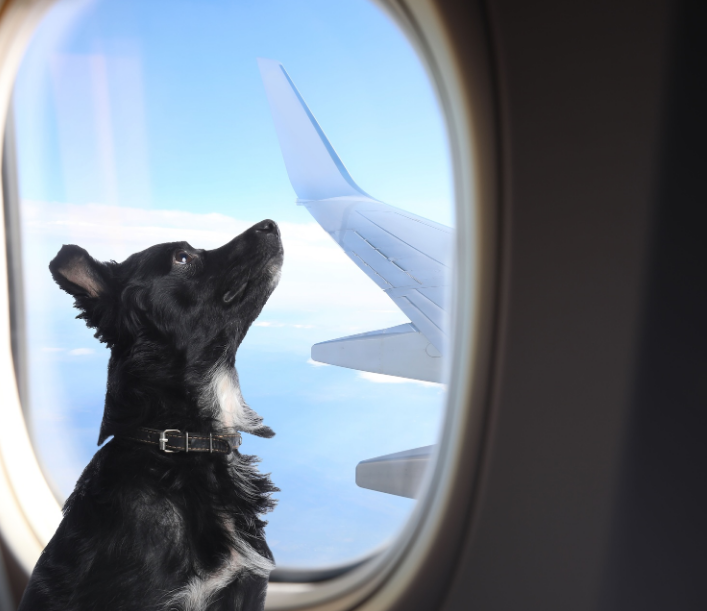
Before you book that charming villa, you must address the fundamental question: how will you get there? While road trips remain the most popular choice for European escapes, more travelers are asking, can dogs fly in planes? The answer is a resounding yes, though the experience depends heavily on your dog’s size and temperament.
Choosing Your Transport Mode
For those in the UK, the Eurotunnel remains the gold standard for “no-stress” travel, allowing you to stay in your car with your pet. However, for Mediterranean destinations, flying becomes a necessity. Most major European airlines permit dogs in the cabin if they are under 8kg, while larger breeds travel in climate-controlled, pressurized holds that are far safer and more comfortable than most people imagine.
Picking the Perfect Destination
Not all “pet-friendly” labels are created equal. Northern Europe and Scandinavia are exceptionally welcoming, with dogs allowed in many shopping centers and public buildings. Southern Europe is more seasonal; while beaches may be restricted in August, the “shoulder seasons” of May and September offer wide-open sands and welcoming outdoor cafes.
| Destination Type | Dog-Friendly Rating | Best For |
| French Countryside (Gîtes) | 5/5 | Off-leash hiking and outdoor dining. |
| Swiss Alps | 5/5 | High-altitude walks and train travel. |
| Italian Cities (Rome/Milan) | 4/5 | Socializing and “piazza” life. |
| Spanish Coast (Summer) | 2/5 | Restrictive beach laws in peak heat. |
Technical Essentials: Passports and Vaccinations
When you take your dog on holiday, you aren’t just a tourist; you are a biological importer. Post-Brexit regulations have replaced the old UK Pet Passport with the Animal Health Certificate (AHC). This document is the cornerstone of your travel and must be issued by a vet within 10 days of your departure.
The Vaccination Timeline
A valid rabies vaccination is mandatory. If it is your dog’s first vaccination, you must wait 21 days before you can cross any borders. I once saw a traveler at Dover turned away because they had vaccinated their dog only 19 days prior—there is zero flexibility at the border. Always double-check your dates against the official requirements to avoid a heartbreaking delay.
Pro-Tip: Keep a digital folder on your phone containing your dog’s microchip number, vaccination dates, and your vet’s emergency contact. If you lose your physical paperwork in a foreign country, having these scans can significantly speed up the process of getting a replacement from a local clinic.
Accommodations: Beyond Just “Pets Allowed”
Finding holidays to take your dog on requires looking deeper than a simple filter on a booking site. Many hotels claim to be pet-friendly but impose “hidden” rules, such as not allowing the dog to be left alone in the room or charging a €30-per-night cleaning fee.
Boutique Hotels vs. Rentals
Private rentals like Gîtes in France or Fincas in Spain often provide fenced gardens, which is a game-changer for a relaxed morning coffee. However, many high-end boutique hotels are now competing for pet owners by offering “VIP” (Very Important Pet) packages, including designer dog beds and local walking maps.
Expert Recommendation
When searching for a base, I highly recommend using Booking.com with the “Pets Allowed” filter, but always follow up with a direct message to the host. Ask specifically about the size of the garden and if there are any breed-specific restrictions. This small step has saved me from many “no-dogs-on-the-furniture” surprises.
The Reality of Flying: Can Dogs Fly in Planes?
For many, the biggest hurdle to taking dog on holiday is the flight. If you have a small dog, they will likely sit under the seat in front of you in a soft-sided carrier. For larger dogs, the cargo hold is the only option.
Cabin Travel Tips
If your dog is small enough for the cabin, ensure they are comfortable in their carrier weeks before the flight. Use pheromone sprays like Adaptil to lower their anxiety levels. On a flight to Lisbon last spring, I sat next to a Pug who slept the entire four hours simply because his owner had lined his carrier with an unwashed t-shirt that smelled like home.
Cargo Hold Safety
Modern aircraft use the same air for the cargo hold as they do for the cabin. It is pressurized and temperature-controlled. The key to cargo travel is the crate; it must be IATA-compliant and large enough for the dog to stand and turn around. Many airlines, such as KLM and Lufthansa, have dedicated animal lounges at their hubs to ensure pets are walked during transits.
| Travel Method | Best Breed Size | Stress Level |
| Cabin | Under 8kg | Low |
| Cargo Hold | Over 8kg | Moderate |
| Eurotunnel | Any | Zero |
| Ferry (Pet Cabin) | Any | Low |
Packing List for a Canine Adventure
Don’t assume you can find your dog’s specific brand of food abroad. Digestive upset is the last thing you want in a hotel room.
-
Familiar Food: Pack enough for the duration plus two extra days.
-
Collapsible Bowls: For hydration during hikes and long drives.
-
Long Training Lead: Essential for beaches or parks where off-leash roaming is restricted.
-
First Aid Kit: Including tick removers, antiseptic wipes, and any regular medication.
-
Portable Dog Shower: On my last trip to the muddy trails of Wales, a portable pressure washer for the dog’s paws was the only thing that kept the hotel carpet clean.
Pro-Tip: If your dog is prone to anxiety in new places, bring their own bed rather than relying on one provided by a hotel. The familiar scent and texture will help them settle in a new room much faster, reducing the likelihood of “alert barking” at hallway noises.
How to Prepare for Your Dog-Friendly Holiday
-
Book the Vet Appointment: Schedule your AHC appointment exactly 7 to 10 days before your departure. Ensure your vet is an “Official Veterinarian” (OV) qualified to sign travel documents.
-
Verify Transport Rules: Check the specific “Pet Policy” page of your chosen airline or ferry line. Some require muzzles in public areas, regardless of the dog’s temperament.
-
Research Local Vets: Find the nearest veterinary clinic at your destination and save their number. You will also need to book an appointment with a local vet for the mandatory “Tapeworm Treatment” before returning to the UK.
-
Prepare the Car/Crate: Ensure your dog is comfortable with long periods of travel. Take them on several shorter “practice drives” to a fun location like a park so they associate the car with positive outcomes.
-
Exercise Before Boarding: Whether flying or driving, a tired dog is a calm dog. Plan a vigorous one-hour walk immediately before you head to the terminal or port.
Frequently Asked Questions (FAQ)
Can dogs fly in planes on all airlines?
Most major carriers allow pets, but many budget airlines (like Ryanair) do not allow any animals on board except for registered assistance dogs. Always check the specific carrier’s policy before booking.
What is an Animal Health Certificate (AHC)?
The AHC is a dual-language document required for UK residents to take their pets into the EU. It replaces the old pet passport and must be issued for every individual trip.
Is it expensive to take a dog on holiday?
Costs include the AHC (approx. £100–£200), pet travel fees on transport (£20–£150), and potential hotel surcharges. While it adds to the budget, it is often cheaper than long-term boarding at a high-quality kennel.
Do I need to sedate my dog for a flight?
Most vets advise against heavy sedation because it can affect a dog’s ability to regulate their body temperature and breathing at altitude. Natural calming aids or “Gabapentin” are often preferred.
What happens if I lose my dog’s paperwork abroad?
You will need to visit a local vet who can verify your dog’s microchip and vaccination records to issue a temporary travel document. This is why having digital backups is vital.
Can my dog go on any beach in Europe?
No. Many popular tourist beaches in Spain, Italy, and France ban dogs during the peak summer months (June–September). Look for “Plage Autorisée aux Chiens” signs or use apps like AllTrails to find dog-friendly coastlines.
Do dogs get jet lag?
Dogs can experience a disruption in their routine, but they don’t experience jet lag in the same way humans do. They usually adapt within 24 hours as long as their feeding and walking schedule is maintained.
What is the tapeworm treatment for returning to the UK?
Before entering the UK, a vet must administer a tapeworm treatment to your dog and record it in the AHC. This must happen between 24 and 120 hours (1 to 5 days) before you arrive back at the UK border.
Can I take my dog to a restaurant in France?
In France, dogs are widely welcomed in restaurants, even indoors, as long as they are well-behaved and kept under the table. It is one of the most pet-friendly dining cultures in the world.
What if my dog gets sick while we are away?
Most European vets speak excellent English and follow the same high medical standards as the UK. Always ensure your pet insurance covers international travel and emergency vet visits.
Thank you for your sharing. I am worried that I lack creative ideas. It is your article that makes me full of hope. Thank you. But, I have a question, can you help me?