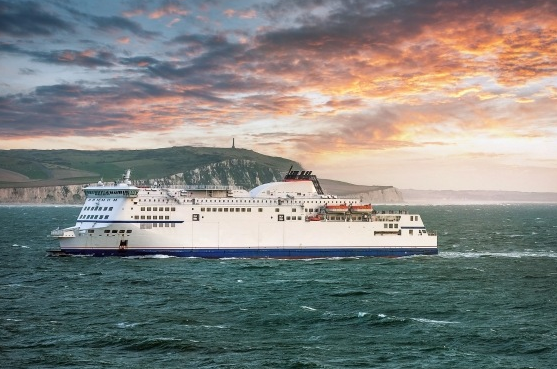
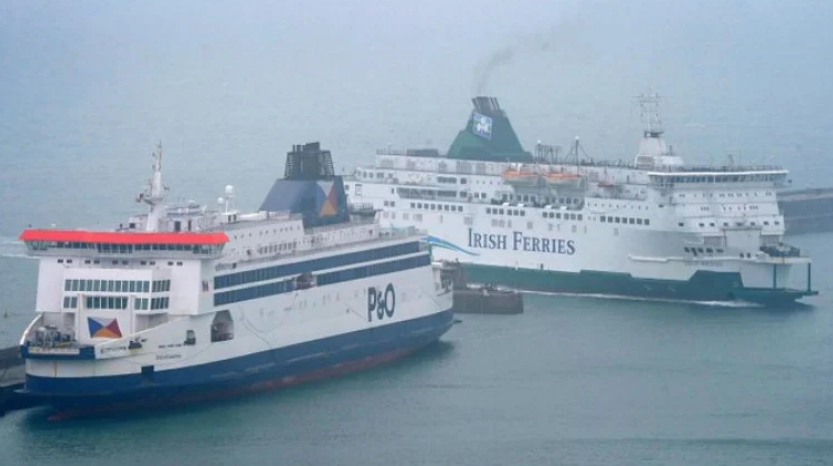
For decades, the choice of where to land in France has been a central question for British travelers. While Calais remains the busiest and most iconic gateway, the Port of Dunkirk (Dunkerque) has emerged as a formidable alternative for those seeking a more relaxed crossing. The port you choose dictates your driving time, your fuel costs, and the overall stress levels of your whole trip planning.
Calais vs Dunkirk: Which French Port is Best for Your Trip?
Modern standards of cross-channel travel mean that both ports offer high efficiency, but they serve different geographical needs. Calais is the primary hub for travelers heading south toward Paris and the Mediterranean, while Dunkirk is the strategic choice for those veering east toward Belgium, Germany, and the Netherlands. Understanding the nuanced differences between these two French giants is essential for optimizing your journey.
The Geographic Face-Off: Where Are You Heading?
The most critical factor in the Calais vs. Dunkirk debate is your final destination. Although the two ports are only 25 miles (40 km) apart, that distance can save or add significant time to your drive once you hit the French motorways.
The Calais Advantage
Calais is perfectly positioned for the A16 motorway heading south to Paris or the A26 “Autoroute des Anglais,” which cuts through the heart of France toward Lyon and the Alps. If your goal is a luxury escape in the French Riviera or a ski trip, Calais is almost always the more logical entry point.
The Dunkirk Advantage
Dunkirk sits further east, closer to the Belgian border. It is the undisputed winner for travelers heading to Bruges, Brussels, Cologne, or Amsterdam. By landing in Dunkirk, you bypass the potential congestion of Calais and find yourself immediately on the A16 eastbound, shaving valuable time off journeys to Northern and Eastern Europe.
| Destination | Best Port | Driving Time Difference |
| Paris | Calais | Saves ~30 Minutes |
| Bruges / Brussels | Dunkirk | Saves ~25 Minutes |
| Lyon / South France | Calais | Saves ~20 Minutes |
| Amsterdam | Dunkirk | Saves ~40 Minutes |
Onboard Experience and Crossing Times
The experience on the water differs depending on which French port you select. This is primarily due to the specific operators that serve each route from Dover.
Dover to Calais
This is the fastest maritime route, taking approximately 90 minutes. It is served by P&O Ferries, Irish Ferries, and DFDS. Because of the high frequency of sailings (every 45-60 minutes), Calais offers the most flexibility for travelers who might be delayed in transit to the Port of Dover.
Dover to Dunkirk
This route is exclusively operated by DFDS and takes 2 hours. While the crossing is 30 minutes longer than the Calais route, many travelers prefer it because the ships are often less crowded. Since Dunkirk does not accept foot passengers, the onboard atmosphere is generally quieter and geared toward motorists and freight drivers.
Pro-Tip: If you are prone to seasickness, the extra 30 minutes on the Dunkirk route might actually be a benefit. The ships used on this route are large, stable vessels, and the extra time allows for a proper sit-down meal in the “Lighthouse Café” without feeling rushed before docking.
Port Facilities and Ease of Disembarkation
Modern standards of port design have improved significantly, but the “vibe” of each terminal remains distinct.
-
Calais Port: Following the “Calais Port 2030” expansion, the facilities are world-class. The new terminal features massive duty-free shops, modern cafes, and efficient automated border controls. However, because of its size, disembarking can sometimes take longer due to the sheer volume of vehicles.
-
Dunkirk Port: Dunkirk is a much smaller, more functional port. It is located about 20 minutes outside the actual town of Dunkirk in an area called Loon-Plage. The advantage here is simplicity; you drive off the ship and are on the motorway within minutes, with far less traffic than the complex road networks surrounding Calais.
Cost Comparison: Which is Cheaper?
Pricing is dynamic, but there are some consistent trends that can help your itinerary planning.
-
Lead-in Prices: DFDS often prices the Dunkirk route slightly lower than the Calais route to compensate for the longer crossing time.
-
Fuel Savings: While the ferry ticket might be cheaper for one port, always calculate your fuel and toll costs. Driving from Dunkirk to Paris will cost more in fuel and time than driving from Calais.
-
Toll-Free Options: Driving from Dunkirk into Belgium allows you to access the Belgian motorway network, which is currently toll-free for cars, unlike many of the French “Autoroutes” leading out of Calais.
| Feature | Calais Crossing | Dunkirk Crossing |
| Operator Choice | P&O, DFDS, Irish Ferries | DFDS Only |
| Sailing Frequency | Very High | Every 2 Hours |
| Foot Passengers | Yes (P&O/Irish Ferries) | No |
| Average Price | Standard | Often Cheaper |
Pro-Tip: If you have a long drive ahead through Germany or Scandinavia, the 2-hour Dunkirk crossing provides a much-needed mandatory rest break for the driver. Use the extra 30 minutes to nap in the quiet lounge rather than rushing through a 90-minute Calais crossing.
Expert Recommendations for Your Trip
To ensure a seamless transition into France, consider these strategic moves:
-
Pet Travel: If you are traveling with a dog, Dunkirk is often quieter and less stressful for the animal during the disembarkation process. Check our guide on pet travel requirements for more details.
-
Insurance and Safety: Regardless of the port, ensure your breakdown cover is valid for Europe. We recommend World Nomads for comprehensive travel insurance that covers “missed departures” at either port.
-
Accommodation: If you arrive at Dunkirk late at night, look for hotels in the Loon-Plage area rather than the town center. Use Booking.com to find “budget motorway hotels” which are designed for a quick sleep before continuing your journey.
-
Driving Gear: Grab a European driving kit from REI or a local auto shop. You will need your warning triangle and high-vis vests the moment you roll off the ramp in either port.
How to Choose Between Calais and Dunkirk
-
Identify Your Destination: Use a GPS app to plot your route from both Calais and Dunkirk. If the time difference is more than 30 minutes, let the road route decide for you.
-
Check the Sailing Schedule: If you need to depart at a very specific time (e.g., 3:00 AM), Calais will have more options. If you are flexible, Dunkirk may offer a cheaper “off-peak” fare.
-
Consider Your Vehicle Type: Large motorhomes often find the Dunkirk port easier to navigate due to wider lanes and less frantic traffic during disembarkation.
-
Evaluate Onboard Needs: If you want the best “Club Lounge” experience or a wide variety of restaurants, the modern ships serving the Calais route generally have the edge.
-
Book in Advance: Regardless of the port, prices rise as the sailing date approaches. Secure your spot at least 6 weeks out for the best value.
Frequently Asked Questions (FAQ)
1. Is Dunkirk further than Calais?
Yes, Dunkirk is approximately 25 miles (40 km) further east along the coast from Calais.
2. Which ferry crossing is the shortest?
The Dover to Calais crossing is the shortest, taking 90 minutes. The Dover to Dunkirk crossing takes 2 hours.
3. Is it easier to avoid migrants at Dunkirk?
Current modern standards of port security have significantly improved at both locations. Both ports feature high-tech fencing, thermal imaging, and increased police presence, making both options very safe for travelers.
4. Can I take a caravan to Dunkirk?
Yes, DFDS accepts caravans and motorhomes on the Dunkirk route. Many drivers find the road access to Dunkirk easier with a large trailer than the busy roads of Calais.
5. Which port has better duty-free shopping?
Calais has a larger, more modern duty-free terminal building. However, both routes offer substantial duty-free shopping onboard the ships.
6. Can I travel to Dunkirk as a foot passenger?
No, the Dover-Dunkirk route is currently for vehicle passengers only. Foot passengers must use the Dover-Calais route.
7. Is the road out of Dunkirk quieter?
Yes, Dunkirk is a smaller port and is generally less congested than Calais, making the initial drive onto the motorway more relaxed for nervous drivers.
8. Do I need different documents for Dunkirk vs Calais?
No, the entry requirements for France are identical regardless of which port you use. You will pass through French Passport Control at Dover for both routes.
9. Is there a toll to leave the port area?
There are no tolls to exit the port areas themselves. However, the A26 leading out of Calais is a toll road (autoroute), whereas the A16 into Belgium from Dunkirk is toll-free.
10. Which operator is best for Dunkirk?
DFDS Seaways is the only operator that sails from Dover to Dunkirk, so they are the default and best choice for this route.