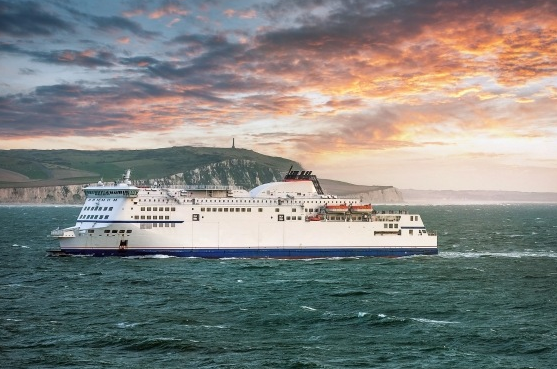
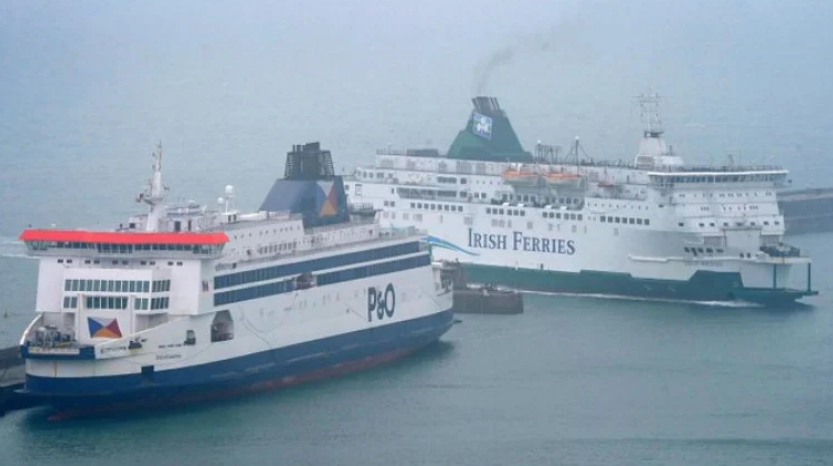
Night sailings across the English Channel divide opinion like few travel choices do. Some travellers swear by them, others vow never again. The truth, as usual, sits somewhere in between.
Night Sailings on the English Channel: What You Really Need to Know Before Booking
If you are weighing up whether an overnight ferry is worth your time, money, and sleep, this guide will give you a clear-eyed answer. I have crossed the Channel more times than I can neatly count—on foot, by car, and once memorably after missing the last Eurostar and ending up in a reclining seat that taught me the true meaning of regret.
Let’s get straight to the essentials.
What Is a Night Sailing on the English Channel?
A night sailing is any ferry crossing that departs late evening and arrives early morning. These routes typically connect southern England with northern France, Belgium, or the Netherlands.
Most travellers choose them for one of three reasons:
-
To save on a hotel night
-
To travel with a vehicle and wake up abroad
-
To avoid daytime crowds and traffic
Unlike cruise-style overnight ferries in Scandinavia, Channel night sailings are functional rather than indulgent. Expectations matter here.
Popular Night Ferry Routes Across the Channel
Not all overnight crossings are created equal. Distance, vessel type, and onboard facilities vary significantly.
| Route | Typical Duration | Overnight Comfort Level |
|---|---|---|
| Dover – Calais | ~90 minutes | Very limited |
| Dover – Dunkirk | ~2 hours | Limited |
| Portsmouth – Caen | 6–7 hours | Good |
| Portsmouth – Cherbourg | 7–8 hours | Good |
| Newhaven – Dieppe | ~4 hours | Moderate |
On my last Portsmouth–Caen crossing, I boarded close to midnight and woke up just before docking, refreshed enough to drive straight through Normandy without stopping for coffee. That alone justified the cabin upgrade.
Are Night Sailings Worth It? The Honest Answer
When They Make Sense
Night sailings work well if:
-
You are travelling with a car or motorbike
-
You value early-morning arrival abroad
-
You book a private cabin
-
You are travelling long distances onward
They can feel efficient and strangely satisfying—going to sleep in one country and waking up in another never fully loses its charm.
When They Do Not
They are far less appealing if:
-
You choose a seat-only ticket
-
The crossing is under three hours
-
You are a light sleeper
-
You expect cruise-level comfort
A short overnight sailing without a cabin is essentially an exercise in endurance.
Cabins vs Seats: This Is the Deciding Factor
If there is one rule I would underline twice, it is this: night sailings without cabins are rarely worth it.
| Option | Pros | Cons |
|---|---|---|
| Private Cabin | Real sleep, privacy, shower on some ships | Extra cost |
| Reclining Seat | Cheapest option | Poor sleep, noise |
| Lounge Access | Quieter than seats | Still not ideal for sleep |
Pro-Tip:
If the cabin costs less than a budget hotel, book it without hesitation. You gain sleep and transport in one go.
Sleep Quality on Overnight Ferries
Sleep quality varies wildly depending on the ship and sea conditions. Channel waters are not always kind, especially in winter.
Cabins generally include:
-
Bunk beds or double bed
-
En-suite bathroom (on longer routes)
-
Climate control
-
Lockable door
On rough crossings, being horizontal helps. I once tried sleeping in a lounge chair during choppy conditions and spent the night clinging to my backpack like a life raft. Lesson learned.
Onboard Facilities at Night: What’s Actually Open?
Do not assume the ship stays fully alive overnight. Most night sailings scale back services after departure.
| Facility | Availability at Night |
|---|---|
| Restaurant | Limited hours |
| Bar | Often closes early |
| Shop | Closed |
| Wi-Fi | Patchy |
| Reception | Open |
Eat before boarding or soon after departure. Midnight ferry meals are rarely memorable for the right reasons.
Cost Comparison: Night Ferry vs Alternatives
Night sailings can look expensive until you factor in accommodation and fuel.
| Travel Option | Approximate Cost Impact |
|---|---|
| Night Ferry + Cabin | Ferry fare + cabin |
| Day Ferry + Hotel | Ferry fare + hotel |
| Eurotunnel + Hotel | Tunnel fare + hotel |
| Eurostar | Ticket only (no car) |
For families or drivers, overnight ferries often come out ahead—especially during busy periods.
Driving After Arrival: A Reality Check
Early arrival sounds appealing until you realise you are on unfamiliar roads at dawn.
Pro-Tip:
Plan a gentle first driving hour. A café stop in Normandy or Flanders is far safer than pushing on while groggy.
Environmental and Practical Considerations
Overnight ferries are not the greenest option per passenger, but when transporting vehicles and multiple travellers, the footprint evens out.
They also reduce:
-
Daytime congestion
-
Border queue stress
-
Check-in rush
That calm, early-morning roll-off is one of the understated pleasures of night sailings.
Expert Recommendations (Travel Tools That Help)
-
Booking.com: Useful for booking a flexible first-night hotel just in case plans change.
-
World Nomads Travel Insurance: Covers missed connections and overnight delays—worth it for sea crossings.
-
REI Travel Gear: Earplugs, sleep masks, and compact duffels make a noticeable difference onboard.
How to Book a Night Sailing on the English Channel (Step-by-Step)
Step 1: Choose the Right Route
Longer routes offer better sleep opportunities. Avoid very short crossings at night.
Step 2: Compare Cabin Prices
Always compare cabin cost against a hotel on land.
Step 3: Time Your Arrival
Arrive early at the port. Night check-in is slower and less forgiving.
Step 4: Pack for Sleep
Treat it like a night train. Small bag, essentials only.
Step 5: Plan the Morning
Know where you are going after arrival. Foggy thinking and French roundabouts do not mix well.
Frequently Asked Questions About Night Sailings on the English Channel
Are night sailings on the English Channel worth it?
Yes, if you book a cabin and travel onward early. No, if you expect proper sleep in a seat.
Which English Channel night ferry is best for sleeping?
Portsmouth–Caen and Portsmouth–Cherbourg offer the best balance of duration and comfort.
Can you sleep properly on a night ferry?
Only in a cabin. Reclining seats rarely provide meaningful rest.
Are night ferries cheaper than daytime crossings?
Sometimes. They become cost-effective when replacing a hotel night.
Is it safe to travel overnight on Channel ferries?
Yes. Safety standards are high, and night crossings are routine.
Do night ferries have private cabins?
Yes, on longer routes. Short crossings often do not.
Are night sailings noisy?
Public areas can be noisy. Cabins are usually quiet.
What should I pack for a night sailing?
Sleep mask, earplugs, toiletries, and a light overnight bag.
Is food available overnight on ferries?
Limited. Eat before boarding or shortly after departure.
Are night ferries suitable for families?
Yes, especially with cabins. Children tend to sleep better than adults.